
What are the early signs of dementia, and what comes first?
The early signs of dementia are often small changes in memory and mood, and the first step is a doctor's assessment.

Before diagnosing dementia, Malaysia's clinical guideline asks doctors to run blood tests, including thyroid and vitamin B12, to rule out causes that can be reversed.
The Borneo Post reported in November 2024 that these places treat people with dementia in Sarawak. Phone ahead to check what each offers now.
What are the signs a parent with dementia needs more help?
A parent with dementia needs more help when they are no longer safe alone, or when the main carer is worn out.
Signs your parent needs more help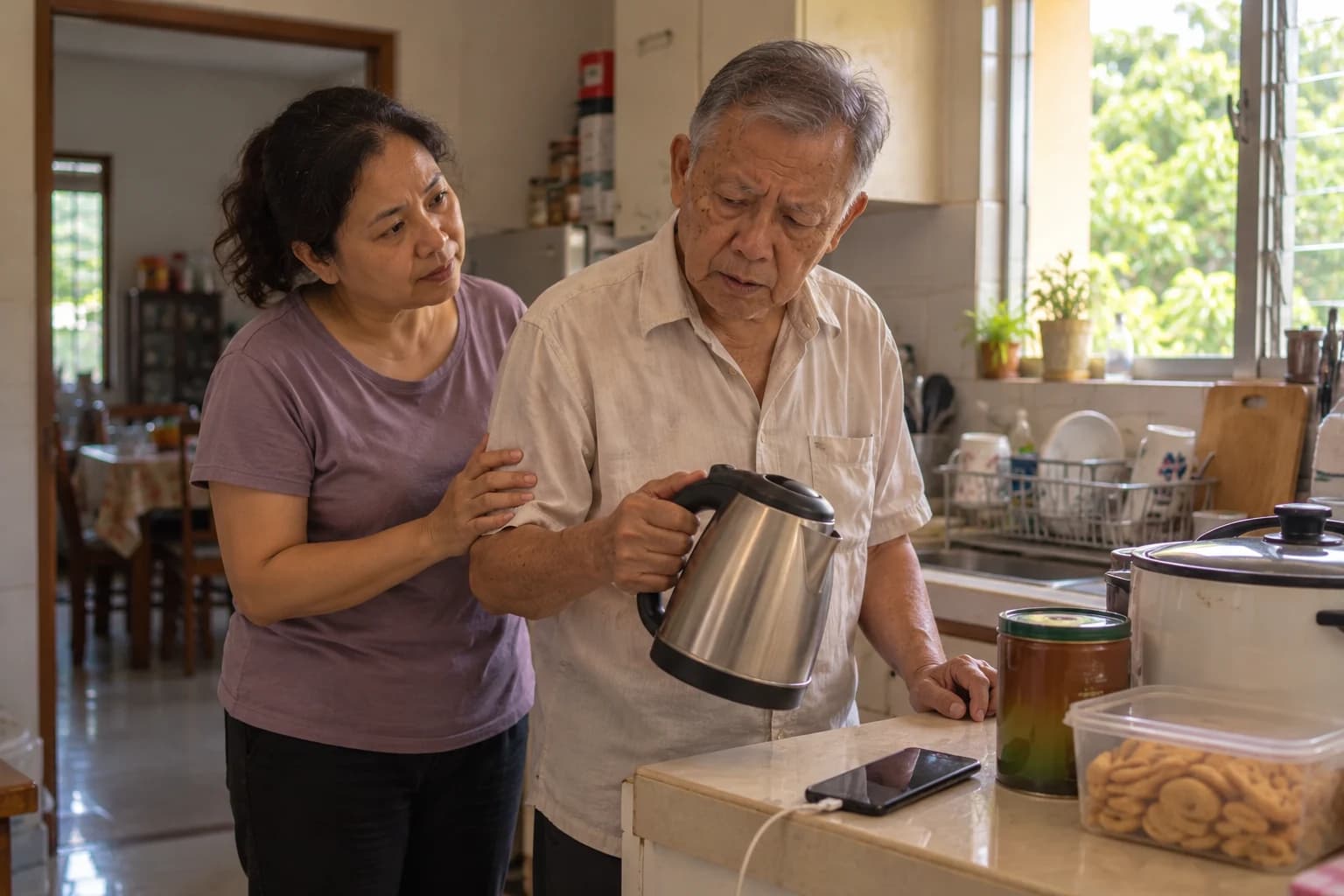
How do needs change as dementia progresses?
Dementia usually moves through three broad stages, and the help a person needs grows with each one. The pace varies from person to person. Pick a stage to see what it needs.
- Early stage
- Can still
- Live at home, go out, keep up routines and join in decisions
- Needs
- Reminders, planning and someone checking in
- Usually fits
- Home, with family help
The time to put legal, financial and end-of-life plans in place, while your parent can take part.
- Middle stage
- Can still
- Do a lot with support
- Needs
- Supervision for more of the day, and help with personal care
- Usually fits
- Home plus day care or respite, or residential care
Usually the longest stage, and it can last for years. Look for ways to simplify tasks.
- Late stage
- Needs
- Help with personal care, eating and moving around, day and night
- Usually fits
- Residential care with round-the-clock help
Source: Alzheimer's Association, stages of Alzheimer's (checked 20 October 2026); WHO dementia fact sheet, 3 July 2026
To talk through your parent's stage with a Care Advisor, book a tour of Care Collective.
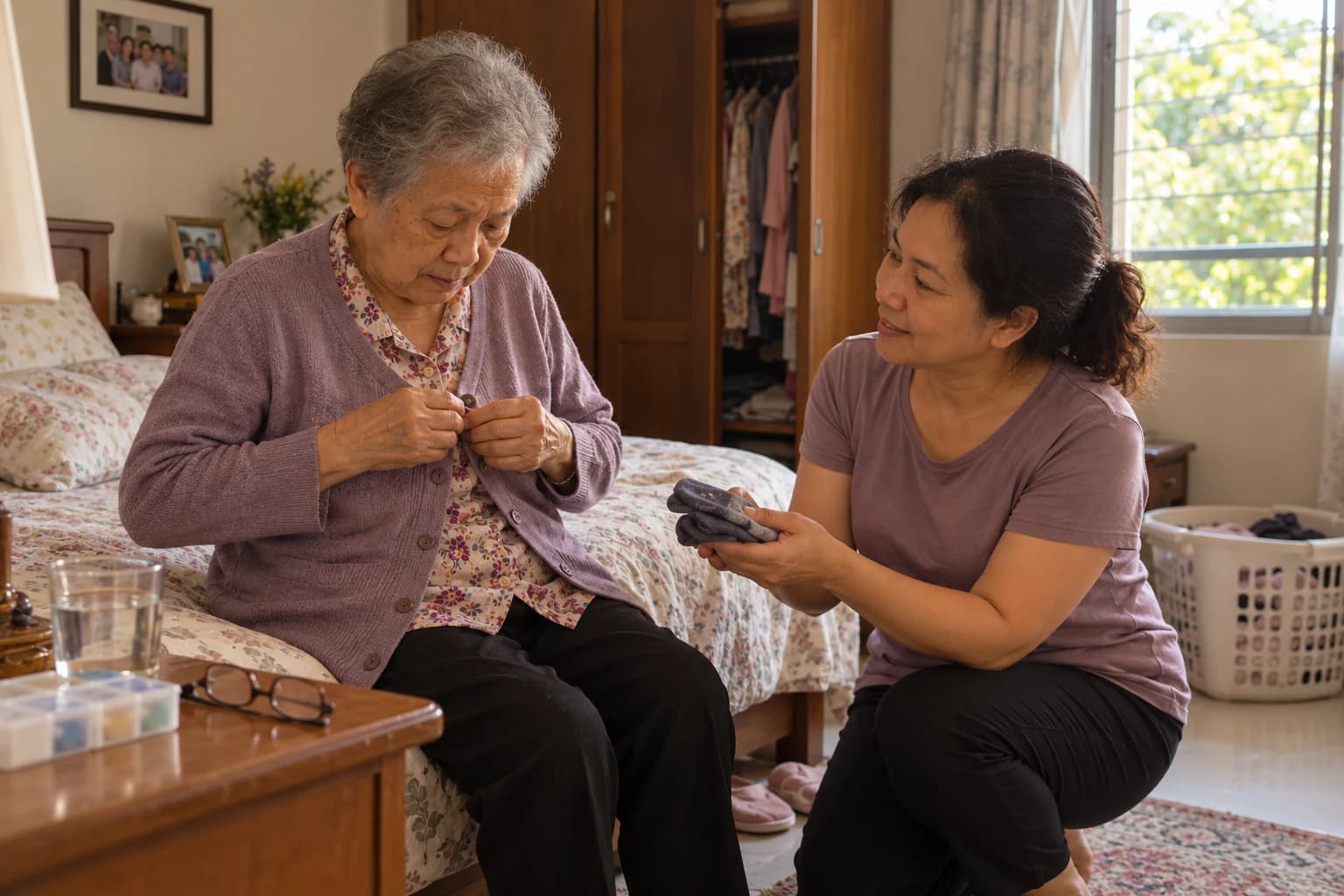
What is sundowning, and what helps?
Sundowning is when a person with dementia becomes more confused or restless from dusk into the night. Tiredness, low light, a disrupted body clock and stress around them can all set it off.
Through the dayIn the evening
Which kind of dementia care fits your parent now?
Dementia care at home fits while nights are settled, and day care when the days need cover. Residential care fits once your parent needs supervision around the clock.
| Home with family help | Home plus day care | Residential care | |
|---|---|---|---|
| Days | At home | At a day centre, usually on weekdays | In the residence |
| Nights | At home | At home | In the residence |
| Care from | Family, sometimes a hired helper | Centre staff by day, family at night | A care team on duty day and night |
| Fits when | Nights are settled and the family can cover the day | Days need cover, but nights at home are safe | Your parent needs supervision around the clock |
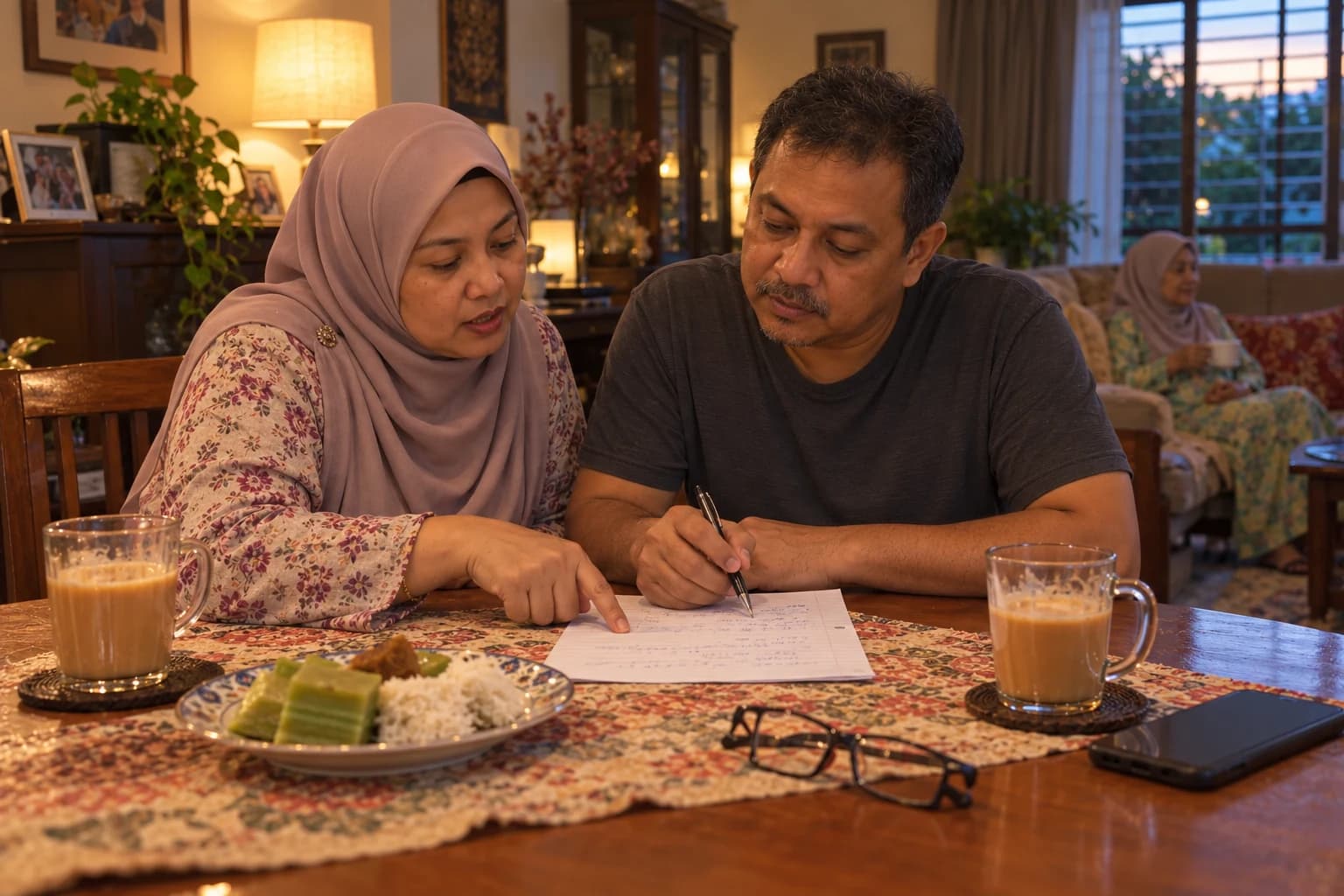
By the middle stage, the Alzheimer's Association notes, many people need supervision 24 hours a day to stay safe. For how assisted living compares with other settings, see the kinds of care in Kuching.
What does dementia care cost in Malaysia?
Published Malaysian ranges for 2026 put dementia care at about RM5,000 to RM8,000 a month in a shared room, and RM7,000 to RM12,000 in a private dementia wing. For a resident needing moderate care, extras add about RM800 to RM2,500 a month.
- Dementia care in a shared roomRM5,000 to 8,000
- Dementia care in a private dementia wingRM7,000 to 12,000
- Usual extras for a resident needing moderate care+RM800 to 2,500
Source: Senior Living Malaysia, Cost of eldercare in Malaysia, 2026
The source gives no Sarawak figure, and few Kuching providers publish rates. Ask every provider for a written quote.
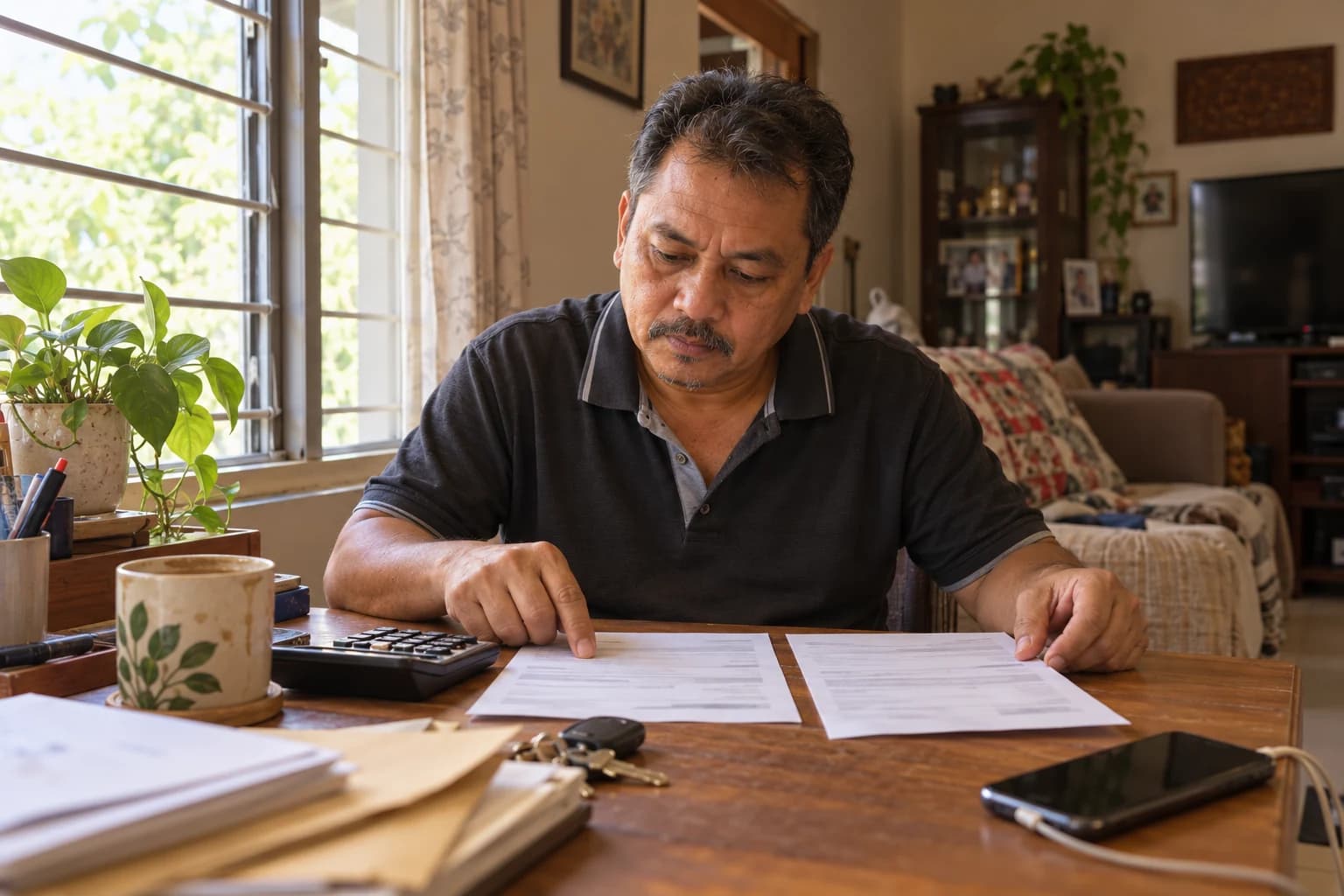
What should you ask a dementia care provider?
Ask every dementia care provider the same questions, and get the answers in writing.
Care and safetyDaily life, admission and fees
From here on: dementia care at Care Collective, Wisma Elica, Kuching.
How does Care Collective care for a parent with dementia?
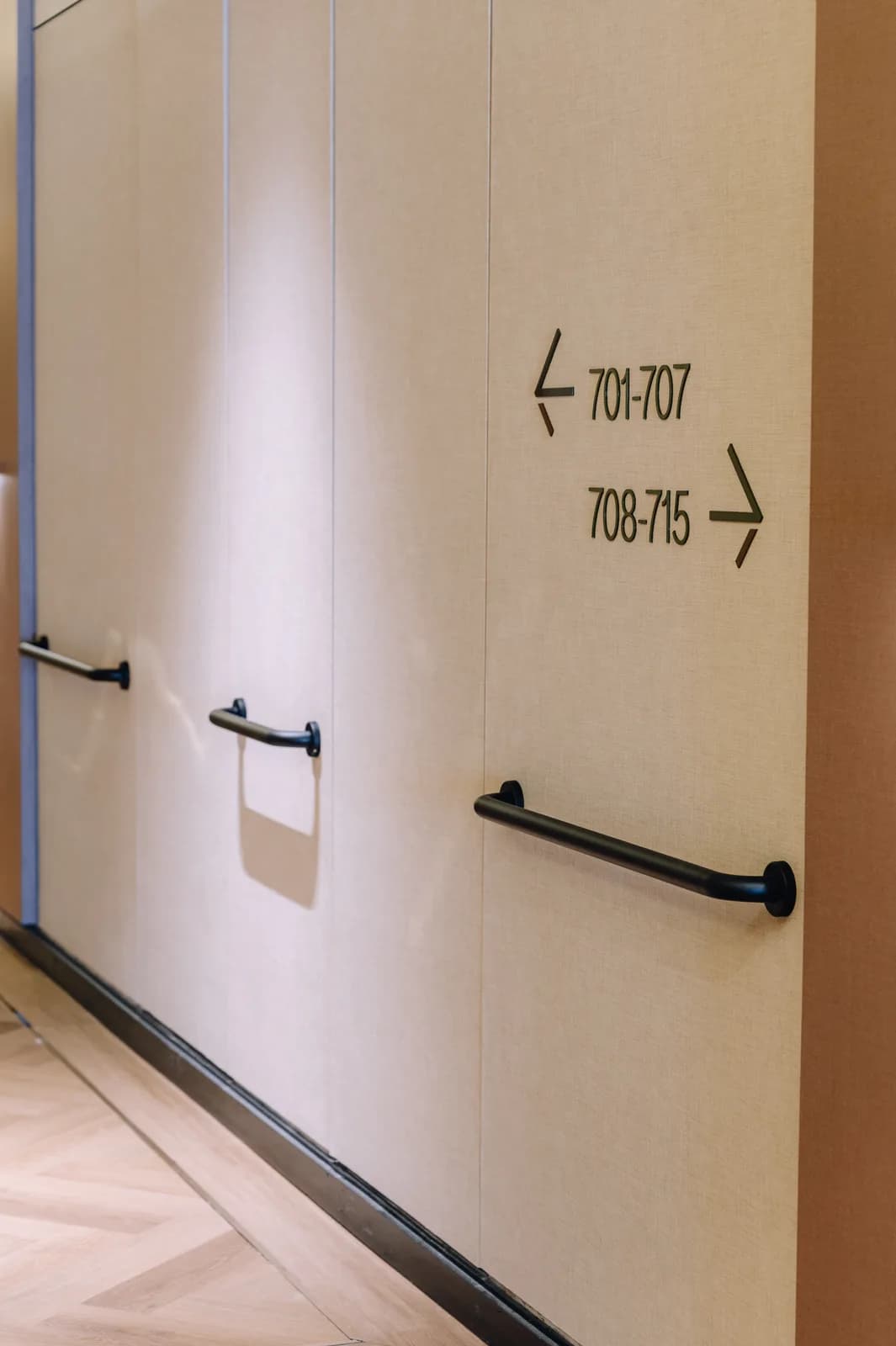
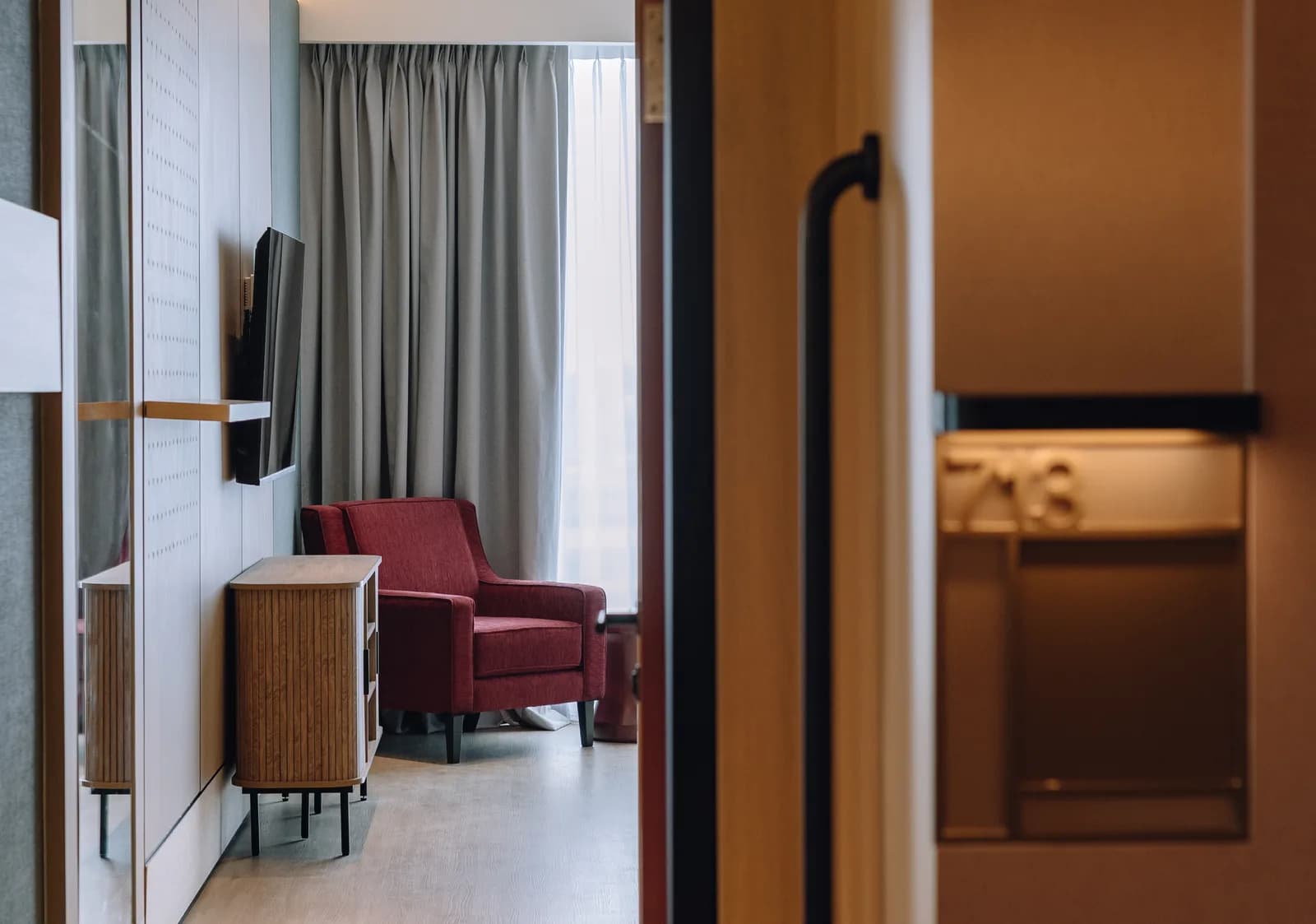
At Care Collective, dementia care is a specialised form of Assisted Living, with a care plan for each resident built from the nurses' assessments. Your parent lives in Assisted Living rather than a separate memory care unit.
- 1Bring the papers
The diagnosis letter, a doctor's report, the medication list and any hospital discharge summary.
- 2A nurse assessment
The nurses assess your parent before admission.
- 3A care plan for your parent
The nurses assess again as your parent settles in, and the care plan is built from both.
Source: Care Collective care team, 23 October 2026
Common questions
Is memory care the same as a nursing home for dementia?
Not always. Some homes run a separate memory care unit, and others give dementia care within assisted living. The questions in this guide work for either kind of home.
When should a parent with dementia move into care?
When they need supervision around the clock, as many people do by the middle stage.
- Other signs are getting lost, needing help with personal care every day, and a family carer who is worn out.
- Talk the timing through with your parent's doctor and, where you can, with your parent.
Can day care work for someone with dementia?
Yes, for many people in the early and middle stages.
- Malaysia's dementia guideline notes that cognitive stimulation can be given in day care.
- Day care usually covers weekday daytime, so the family still covers evenings, nights and weekends.
What is sundowning?
Increased confusion or restlessness from dusk into the night.
- Regular routines, daylight during the day, a lighter evening meal and well-lit evenings can help.
- If it continues, talk to your parent's doctor.
How much does dementia care cost in Malaysia?
About RM5,000 to RM8,000 a month in a shared room and RM7,000 to RM12,000 in a private dementia wing, on published 2026 ranges.
- Prices vary by room, care needs and extras.
- Ask for a written quote that lists what is included.
Come and talk it through
If home is no longer enough, come and see Care Collective: tours run daily from 10am to 4pm. You can see a suite and talk through your parent's needs with a Care Advisor.
Until 31 December 2026, a new Assisted Living stay, dementia care included, comes with RM2,000 off the first month.
If you would rather ask first, message us on WhatsApp. You can also read about Assisted Living and the Clubhouse. If the family carer needs a break, see short stays.
Book a tourSources
The sources behind this page, with the date we checked them
Checked on 20 October 2026.
- World Health Organization, Dementia fact sheet, 3 July 2026 (early signs, later stages, carers' five hours a day)
- Ministry of Health Malaysia, Clinical Practice Guidelines: Management of Dementia, third edition, 2021 (blood tests, carers' risk and respite, cognitive stimulation in day care)
- Alzheimer's Association, Stages of Alzheimer's (the three stages)
- Alzheimer's Association, Residential care (memory care units and assisted living, supervision in the middle stage)
- Alzheimer's Association, Sleep issues and sundowning (definition, causes, tips)
- Borneo Post, 22 November 2024 (memory clinics and private hospitals treating dementia in Sarawak)
- Senior Living Malaysia, Cost of eldercare in Malaysia, updated 9 May 2026 (dementia care in a shared room and a private dementia wing, extras; read again 23 October 2026)
- Care Collective care team, 23 October 2026 (dementia care within Assisted Living, assessments and papers, day and night care, card access, the garden, the Clubhouse, short stays, hospital trips) and Book a Tour (tour hours, the year-end offer)